
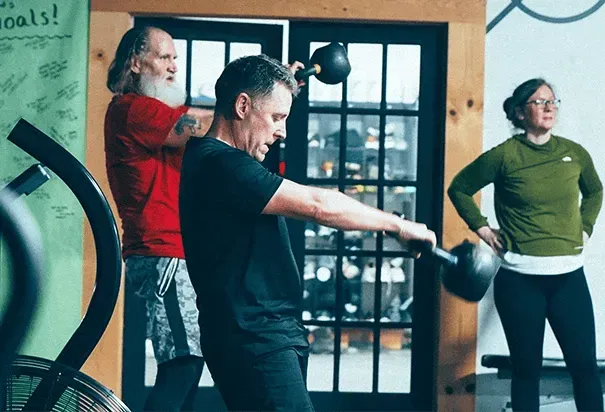
Walk into any gym and you’ll see people at different stages of their fitness journey. Someone may be lifting heavier than you. Someone else may be running faster. Another person may have been training for years, while you’re just getting started. It’s easy to look around and think, “Why am I not where they are?” But here’s the truth: your fitness journey was never supposed to look like someone else’s. Everyone Starts Somewhere The person you’re comparing yourself to may have years of experience that you don’t see. You don’t know how long they’ve been training, what their previous fitness level was, how consistent they’ve been, or what challenges they’ve overcome along the way. Comparing your beginning, middle, or current chapter to someone else’s highlight reel will always leave you feeling behind. Instead, focus on where you started. Maybe you can lift more weight than you could six months ago. Maybe you’re moving better. Maybe you have more energy. Maybe you’re finally comfortable walking into the gym and pushing yourself. Those are wins. Progress Isn’t Always Measured by the Scale Fitness progress goes far beyond a number on the scale. Progress can look like: Adding weight to an exercise Doing more reps Improving your endurance Moving with better form Recovering faster Having more energy throughout the day Feeling stronger and more confident Showing up consistently Trying something that used to intimidate you Sometimes the biggest victories are the ones nobody else can see. Your Timeline Is Your Timeline There is no universal timeline for getting stronger, improving your fitness, losing body fat, building muscle, or reaching a specific goal. Life happens. Work gets busy. Families need your attention. Injuries happen. Motivation comes and goes. What matters is continuing to move forward. Your progress may be slower than someone else’s—and that's okay. Slow progress is still progress. The goal isn't to become the person next to you. The goal is to become a stronger, healthier version of yourself. Compare Yourself to Who You Used to Be Instead of asking: “Why can't I do what they can do?” Ask: “What can I do today that I couldn't do before?” That shift in perspective can completely change the way you approach fitness. Look back at where you started. Celebrate the improvements. Recognize the consistency. Give yourself credit for the days you showed up even when you didn't feel like it. Your past self is the person you should be competing with. Your Fitness Community Should Lift You Up One of the best things about training in a community is realizing that everyone is working toward something different. At RISE Training Club, we believe fitness isn't about being the strongest person in the room. It's about becoming stronger together. You don't have to keep up with everyone else. You just have to keep showing up, keep putting in the work, and keep challenging yourself to improve. Your journey is yours. Your goals are yours. Your progress is yours. So stop comparing. Stop worrying about where everyone else is. Put your energy into becoming the best version of YOU. And remember: the only person you need to be better than today is the person you were yesterday.
You’re putting in the work. But how do you know it’s actually working? When you’re training consistently, it’s easy to focus on the most obvious measures of progress—how much you weigh, how you look in the mirror, or whether you hit a new personal record. But real progress doesn’t always show up on the scale. At RISE Training Club, we believe fitness is about becoming stronger, more capable, and more confident. Sometimes the biggest signs of progress are happening long before you notice a major physical change. Here are 5 signs your training is actually working. 1. You’re Getting Stronger One of the clearest signs that your training is working is improved strength. Maybe you’re lifting heavier weights, completing more reps, or finally mastering an exercise that used to feel impossible. Progress doesn’t always mean adding 20 pounds to the bar. It could mean better form, more control, increased endurance, or feeling more confident with a movement. What used to feel hard starts to feel manageable. That’s progress. 2. Everyday Activities Feel Easier Fitness shouldn't only benefit you inside the gym. You may notice that carrying groceries, climbing stairs, playing with your kids, doing yard work, or simply getting through a busy day feels easier than it used to. That’s functional fitness in action. Strength and conditioning training helps prepare your body for the demands of everyday life—not just your next workout. When your training makes life outside the gym easier, you know it’s doing its job. 3. Your Energy and Confidence Are Improving Exercise can have an impact far beyond your physical appearance. As you build consistency, you may notice that you have more energy throughout the day. You may feel more confident in your abilities and more comfortable pushing yourself outside your comfort zone. And there’s something powerful about knowing you showed up and did something challenging—even on the days when you didn't feel like it. Every workout is another opportunity to prove to yourself that you’re capable of more than you thought. 4. Your Recovery Is Improving Progress isn't just about how hard you can work. It's also about how well your body can recover. As your fitness improves, you may notice that you recover more quickly between workouts, your breathing settles faster after intense efforts, and challenging sessions don't leave you feeling completely wiped out for days. You may even find yourself handling workouts that once felt overwhelming with much more confidence. Your body is adapting—and adaptation is a major part of getting fitter. 5. You’re Becoming More Consistent One of the biggest signs your training is working has nothing to do with a number. It’s consistency. You’re showing up even when motivation isn't high. You’re making training part of your routine instead of something you constantly have to start over. You’re learning that one missed workout doesn't mean you've failed—and one great workout doesn't mean you're finished. Fitness is built through what you do repeatedly over time. Consistency beats perfection. Every time. Progress Is More Than a Number Your weight, measurements, and other metrics can be useful tools, but they’re only part of the picture. Progress can look like: Lifting something you couldn't lift before Moving with better technique Having more energy Recovering faster Feeling stronger and more confident Keeping promises to yourself Showing up consistently Doing things outside the gym that used to feel difficult If you're seeing these changes, your training is working. Don't let the scale—or one tough workout—convince you otherwise. At RISE Training Club , we're here to help you build strength, improve your conditioning, and become more capable in and out of the gym. The goal isn't perfection. It's progress. Keep showing up. Keep putting in the work. Keep RISING. Ready to see what you’re capable of? Come train with us at RISE Training Club and discover what consistent strength and conditioning can do for you.
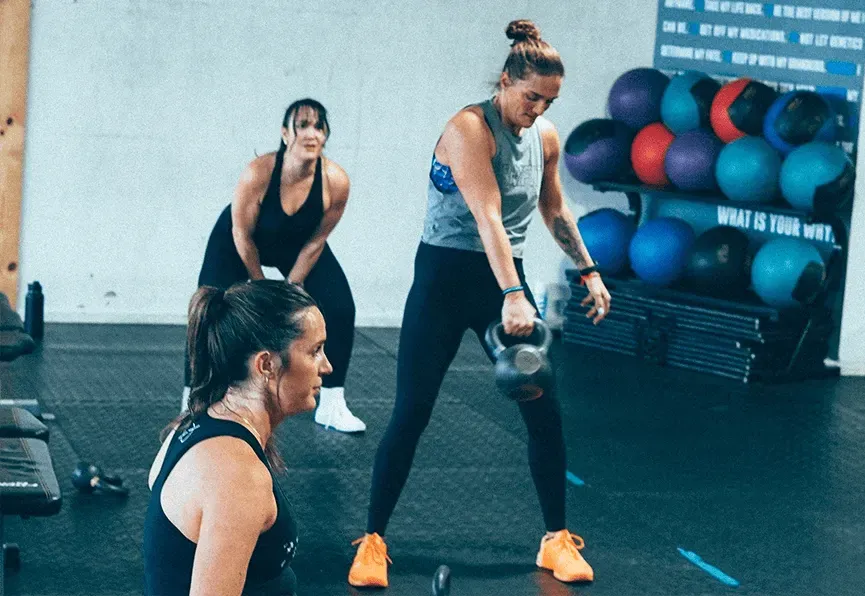
What could change in your life if you committed to showing up for yourself for the next 90 days? Not 90 days of perfection. Not 90 days of restrictive diets or endless hours of cardio. Just 90 days of consistently showing up, putting in the work, and becoming stronger than you were yesterday. At RISE Training Club , our strength and conditioning workouts are designed to help you build strength, improve your fitness, and become more capable in everyday life. But the biggest transformation that happens over 90 days often goes far beyond what you see in the mirror. The First Few Weeks: You Build the Habit The beginning is all about showing up. You might feel sore. You might feel challenged. You might wonder if you're getting stronger yet. That's okay. Your body is learning new movements, your muscles are adapting to training, and you're building a routine that can actually last. The goal isn't to crush every workout. It's to establish consistency. Because one great workout won't change your fitness—but repeated effort absolutely can. Around 30 Days: You Start Feeling Different After a month of consistent training, you may begin noticing changes that have nothing to do with the scale. You may: Feel stronger during workouts Have more energy throughout the day Move with greater confidence Recover more efficiently Notice everyday activities becoming easier Feel more comfortable and capable in the gym You may even catch yourself doing something you couldn't do a few weeks earlier. That's progress. Around 60 Days: Strength Starts Showing Up Keep going. As your body adapts to consistent strength and conditioning training, you'll likely begin noticing measurable improvements in your performance. Maybe you're lifting heavier. Maybe you're moving better. Maybe you're completing more reps. Maybe a workout that once left you exhausted now feels manageable. Strength isn't just about how much weight you can lift. It's about what your body is capable of doing. And that's one of the most rewarding parts of training at RISE: watching your capabilities grow. At 90 Days: You're Not the Same Person Who Started Three months of consistent training can create meaningful changes in your strength, conditioning, movement, confidence, and mindset. But here's the important part: The goal of 90 days isn't to reach a finish line. It's to prove to yourself what happens when you commit. You learn that you are capable of doing hard things. You learn that progress doesn't require perfection. You learn that missing one workout doesn't mean you've failed—it means you get back to it at the next opportunity. And you start realizing that fitness isn't something you have to constantly "start over." It's something you build. Your Body Changes—But So Does Your Mindset One of the biggest benefits of consistent training is the confidence that comes from keeping promises to yourself. Every time you walk through the doors, complete a challenging workout, add a little more weight, or push through something that used to intimidate you, you're reinforcing a powerful message: I can do this. That mindset can carry into work, family, relationships, and everyday life. Training teaches you how to embrace discomfort, stay consistent, and keep moving forward—even when progress feels slow. And You Don't Have to Do It Alone One of the things that makes RISE different is the community. Strength and conditioning training is challenging, but having coaches and other members alongside you can make the process more enjoyable and sustainable. You have people encouraging you. Coaches helping you improve your technique. Members celebrating your wins. And a community that understands that everyone is working toward something different. Your 90 days don't have to look like anyone else's. Your progress is your progress. What Could 90 Days Do for You? Imagine where you could be three months from now if you simply committed to showing up consistently. You could be stronger. You could move better. You could improve your conditioning. You could feel more confident. You could have more energy. You could accomplish things you didn't think you were capable of. And most importantly, you could build momentum that carries you well beyond those 90 days. Don't Wait for the Perfect Time to Start There will always be a reason to wait. Next Monday. Next month. After the holidays. When work slows down. When life gets less busy. But there is no perfect time. There is only the decision to start. Give yourself 90 days. Show up. Put in the work. Trust the process. You might be surprised by just how much can change when you commit to becoming stronger—one workout at a time. Ready to RISE? Come train with us at RISE Training Club and see what 90 days of consistency can do for you. Your strongest 90 days could be ahead of you.

When it comes to fitness, it’s easy to compare your progress to someone else’s. Maybe someone is lifting heavier than you. Maybe they’re losing weight faster. Maybe they can run farther, move better, or seem to be reaching their goals while you feel like you’re moving at a slower pace. But here’s the truth: progress looks different for everyone. At RISE Training Club, we believe fitness isn’t about becoming someone else. It’s about becoming a stronger, healthier, more confident version of you . Progress Isn’t Always Measured on a Scale Progress can look like losing weight, but it can also look like: Adding 5 pounds to your squat Doing your first unassisted push-up Having more energy throughout the day Improving your mobility Showing up consistently when you didn’t feel like it Recovering faster between workouts Sleeping better Feeling more confident in your body Choosing a healthier option because you know it makes you feel better Simply walking through the doors and getting your workout done Some of the biggest victories aren't visible from the outside. Your Starting Point Is Different Everyone walks into the gym with a different history, different goals, different strengths, and different challenges. That means your journey isn't supposed to look exactly like someone else's. Instead of asking, "Why am I not where they are?" try asking: "Am I further than I was yesterday?" That shift in perspective can change everything. Consistency Beats Comparison The person lifting more weight today may have been training for years. The person running faster may have a completely different athletic background. Comparing your chapter one to someone else's chapter ten will only make you overlook how far you have come. Focus on your own wins. Celebrate the small improvements. Keep showing up. Because those small wins, repeated over time, become big results. Rise at Your Own Pace At RISE Training Club, we aren't here to put everyone on the same path. We're here to help you find your path and give you the coaching, community, and accountability to keep moving forward. Your progress might be faster than someone else's. It might be slower. It might look completely different. And that's okay. The goal isn't to be the best person in the room. The goal is to be better than the person you were when you started. Keep showing up. Keep putting in the work. Keep rising. Because progress is progress—no matter what it looks like.
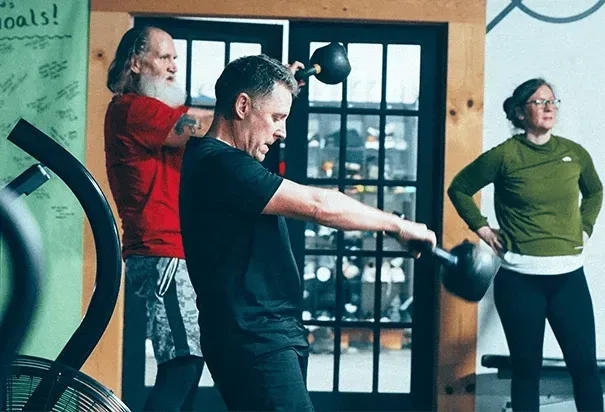
You can have the best workout plan in the world. You can have goals, motivation, a new pair of workout shoes, and the perfect playlist—but none of that matters if you aren’t consistently showing up. That’s where accountability changes everything. At RISE Training Club, we believe fitness isn’t just about what happens during a workout. It’s about having a community that helps you stay committed when motivation fades, life gets busy, or your goals feel harder than they did on day one. Motivation Gets You Started. Accountability Keeps You Going. Motivation is great—but it isn’t reliable. Some days you’ll feel energized and ready to crush your workout. Other days, you’ll be tired, stressed, or tempted to skip. Accountability gives you a reason to show up anyway. When you know your coach is expecting you, your workout partners will notice when you’re missing, and your community is cheering you on, it becomes much easier to stay consistent. And consistency is where the real results happen. You Don’t Have to Do It Alone One of the biggest reasons people struggle to reach their fitness goals is trying to do everything on their own. At RISE, you’re not just another person walking into a gym. Our coaches know your name. They know your goals. They notice your progress. They challenge you when you need a push and help you modify when you need to slow things down. And the people training beside you become part of your support system, too. There’s something powerful about knowing that the person next to you is working toward their goals while you’re working toward yours. You show up for yourself—but sometimes you show up because other people are counting on you, too. Accountability Creates Consistency Think about what happens when you consistently show up. One workout becomes two. Two becomes three. Weeks become months. And suddenly, the things that once felt difficult start to feel normal. Your strength improves. Your confidence grows. Your energy changes. Your workouts become part of your routine instead of something you have to constantly convince yourself to do. That’s the power of accountability: it turns intentions into habits. Your Goals Deserve a Team Whether your goal is to get stronger, lose body fat, improve your conditioning, train for HYROX, feel better in your everyday life, or simply become more confident in the gym, you don’t have to figure it all out by yourself. At RISE Training Club, we’re here to help you show up, put in the work, and keep moving forward. Because your biggest transformation may not happen in one workout. It happens when you keep showing up—especially on the days you don’t feel like it. Ready to stop relying on motivation and start building consistency? Come see what accountability can do for you. Book your free No Sweat Intro at RISE Training Club and let’s get started.

When it comes to nutrition, most people don't struggle because they lack information—they struggle because they're trying to follow a plan that isn't sustainable. Extreme diets, cutting out entire food groups, and chasing the latest nutrition trend might work for a few weeks, but they rarely work for months or years. At RISE Training Club, we believe that lasting results come from building habits you can stick with, not from being perfect. If your goal is to feel better, perform better, lose body fat, or build strength, here are the nutrition habits that actually last. Focus on Protein First One of the simplest habits you can build is making protein the foundation of every meal. Protein helps: Build and maintain muscle Keep you feeling full longer Support recovery after workouts Reduce cravings throughout the day Aim to include a quality protein source with breakfast, lunch, dinner, and snacks whenever possible. Great options include: Chicken or turkey Lean beef Fish Eggs Greek yogurt Cottage cheese Protein shakes Tofu or tempeh You don't need to obsess over every gram—just make protein a consistent priority. Stop Trying to Be Perfect One unhealthy meal won't ruin your progress. Just like one workout won't transform your body overnight, one indulgent dinner won't erase weeks of healthy choices. The people who see lasting success aren't perfect—they simply get back on track with the next meal. Consistency always beats perfection. Build Meals Around Whole Foods You don't have to eliminate your favorite foods. Instead, try making 80–90% of your meals consist of nutrient-dense foods like: Lean proteins Fruits Vegetables Whole grains Healthy fats Then leave room for the foods you enjoy without guilt. A flexible approach is far easier to maintain than a restrictive one. Drink More Water Hydration is one of the easiest nutrition wins. Being slightly dehydrated can affect: Energy levels Workout performance Recovery Hunger cues Mental focus Carry a water bottle throughout the day and aim to drink consistently instead of trying to "catch up" at night. A simple goal is half your body weight in ounces of water daily, adjusting upward if you're active or spending time in the heat. Plan Ahead The healthiest choice is usually the easiest choice. Spend 20–30 minutes each week: Planning dinners Grocery shopping Preparing protein Washing fruit and vegetables Packing lunches When healthy food is already available, you're much less likely to grab fast food or convenience snacks. Preparation reduces decision fatigue. Eat Enough to Fuel Your Body Many people unintentionally under-eat, especially when trying to lose weight. Eating too little can lead to: Low energy Poor workouts Increased cravings Muscle loss Slower recovery Your body performs best when it's properly fueled. Nutrition isn't about eating as little as possible—it's about eating enough of the right foods. Don't Let One Bad Day Become a Bad Week Everyone has birthdays, vacations, celebrations, and stressful days. The difference between successful people and those who struggle isn't that one group never slips up. It's that they don't let one meal turn into an entire weekend—or one weekend become an entire month. Your next healthy choice is always more important than your last unhealthy one. Keep It Simple You don't need expensive supplements, detoxes, or complicated meal plans. Start with the basics: Eat protein with every meal. Fill half your plate with vegetables. Drink plenty of water. Eat mostly whole foods. Stay consistent. Exercise regularly. Simple habits repeated over time create incredible results. Progress Comes From Habits, Not Hacks The most successful people don't rely on motivation—they rely on routines. Small choices made consistently every day add up to significant changes over time. Instead of searching for the "perfect" diet, focus on building habits that fit your lifestyle and support your goals for years to come. At RISE Training Club , we believe fitness and nutrition should help you live a healthier, stronger life—not make life more complicated. Whether you're just getting started or working toward your next goal, building sustainable nutrition habits is one of the best investments you can make in your long-term health. Ready to take your nutrition to the next level? Our coaches can help you build realistic habits, improve your performance, and create a plan that works with your lifestyle—not against it. Schedule a free No Sweat intro with us to learn more about our nutrition coaching programs.
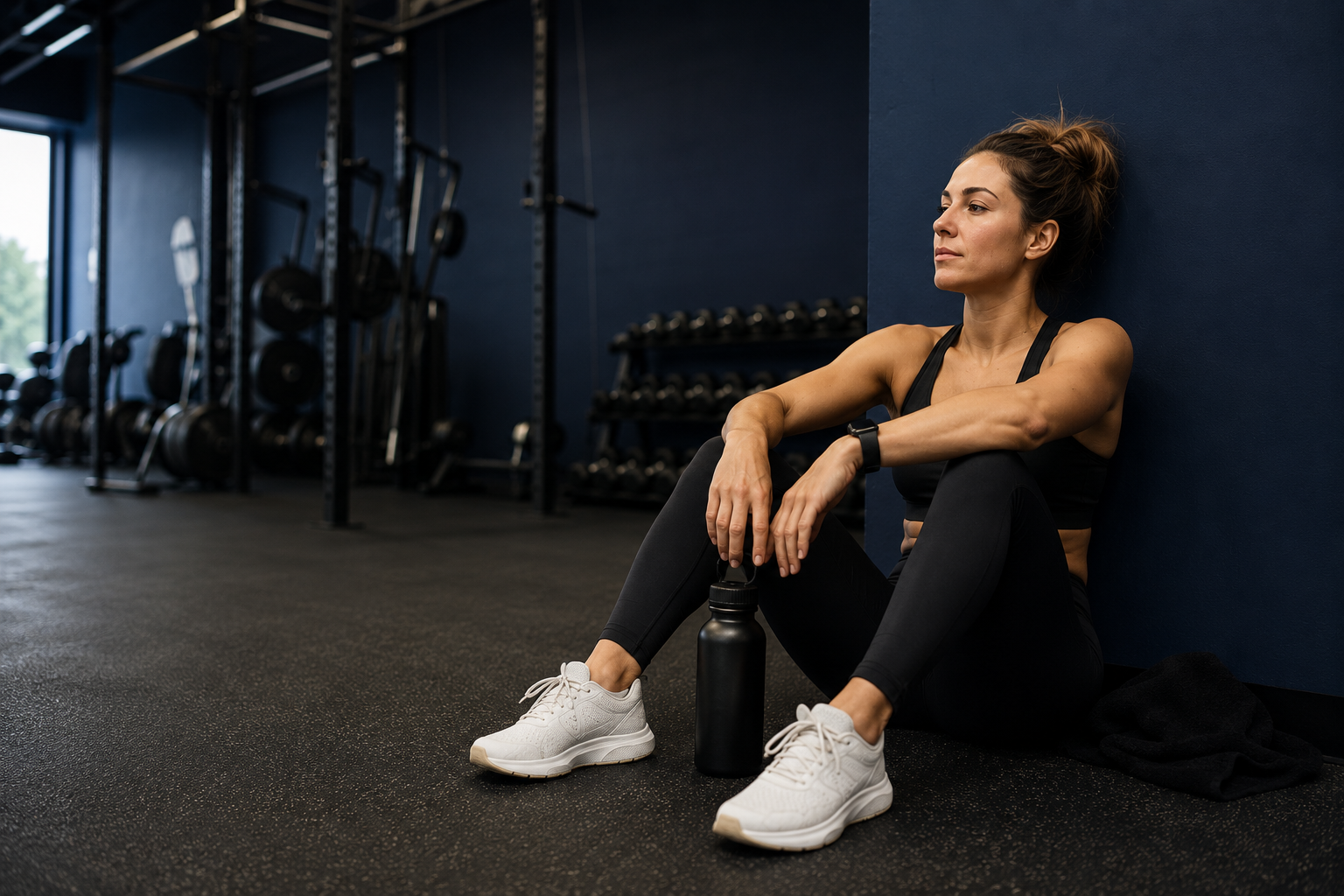
You've committed to showing up. You're hitting classes consistently, pushing yourself during workouts, and chasing new personal bests. But if you think progress only happens during your workouts, you're missing half the equation. The truth is, your body doesn't get stronger while you're training—it gets stronger while you're recovering. At RISE Training Club, we believe smart training includes intentional recovery. Whether your goal is to build strength, improve endurance, lose weight, or simply feel better, recovery is what allows you to continue making progress week after week. What Happens During Recovery? Every workout places stress on your muscles, joints, nervous system, and energy stores. That's exactly what training is supposed to do. During recovery, your body gets to work: Repairing muscle tissue Replenishing energy (glycogen) stores Reducing inflammation Strengthening bones and connective tissue Improving cardiovascular fitness Preparing your body for the next workout Without adequate recovery, your body never fully adapts to the training you're putting it through. More Work Isn't Always Better It's easy to fall into the mindset that if three workouts are good, six or seven must be even better. In reality, constantly training without recovery often leads to: Decreased performance Persistent soreness Fatigue and low energy Increased risk of injury Plateaued progress Poor sleep Loss of motivation The goal isn't to do the most workouts possible—it's to do enough quality training that your body can recover from and improve. Signs You May Need More Recovery Your body is excellent at sending signals when it needs a break. Pay attention if you're experiencing: You're unusually sore for several days. Your workouts feel harder than normal. Your strength or endurance is declining. You're struggling to sleep. You're feeling irritable or unmotivated. Your resting heart rate is consistently higher than usual. Small aches and pains aren't going away. Taking a recovery day isn't falling behind—it's helping you move forward. Recovery Doesn't Mean Doing Nothing Recovery isn't always about lying on the couch all day (although sometimes that's exactly what your body needs). Active recovery can help improve circulation, reduce stiffness, and speed up recovery without placing additional stress on your body. Great recovery activities include: Walking Stretching Mobility work Yoga Light cycling Foam rolling Easy swimming The key is keeping the intensity low enough that your body can recover instead of accumulating more fatigue. Recovery Starts With Sleep If there were one recovery tool we could recommend above all others, it would be sleep. Quality sleep is when your body releases growth hormone, repairs muscle tissue, regulates hormones, and restores your nervous system. Aim for 7–9 hours of quality sleep each night. If you're consistently sacrificing sleep to squeeze in more training, you're likely limiting your results. Nutrition Fuels Recovery What you eat after class matters almost as much as the workout itself. Prioritize: Lean protein to repair muscle tissue Carbohydrates to restore energy Healthy fats for overall health Plenty of water and electrolytes, especially after intense sessions Skipping meals or under-fueling can delay recovery and leave you feeling sluggish during your next workout. Mobility Is Part of Training Many people treat stretching and mobility as optional. We see them as essential. Improving mobility helps: Increase range of motion Improve movement quality Reduce injury risk Decrease muscle tightness Help you recover faster between sessions Even 10–15 minutes a few times each week can make a noticeable difference. Listen to Your Body—Not Your Ego One of the hardest skills to learn in fitness is knowing when to push and when to pull back. Some days you'll feel ready to set a new PR. Other days your body may need a lighter workout or even a full rest day. Neither choice makes you weak. The athletes who make the most consistent long-term progress aren't the ones who train the hardest every single day—they're the ones who recover well enough to keep training for months and years. Recovery Is Part of the Plan at RISE Our programming is designed with progression and recovery in mind. We intentionally vary intensity, movement patterns, and training focus so your body can adapt while continuing to improve. Pair that smart programming with quality sleep, good nutrition, hydration, and mobility work, and you'll build the consistency that leads to lasting results. Because fitness isn't about crushing one workout. It's about showing up, recovering well, and coming back stronger every time. Ready to Train Smarter? At RISE Training Club, we help members train with purpose—not just intensity. Whether you're new to fitness or preparing for your next HYROX race, our coaches will help you balance hard work with smart recovery so you can continue making progress without burning out. Remember: Recovery isn't time away from your fitness goals—it's where your results are built.
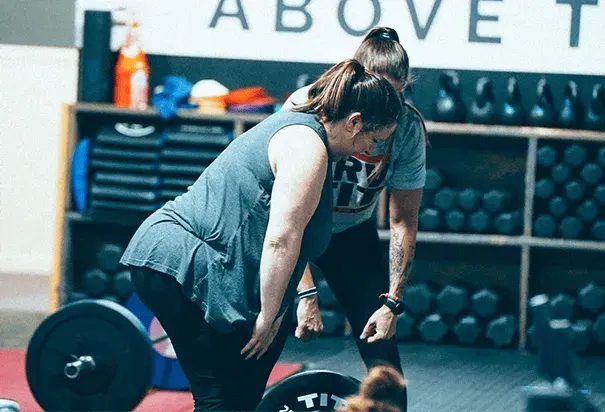
Don't let misconceptions hold you back from becoming the healthiest, strongest version of yourself. Walking into a gym for the first time can feel intimidating. Between social media, conflicting fitness advice, and stories from friends, it's easy to believe things that simply aren't true. These myths often become the biggest obstacle—not a lack of motivation or ability. At RISE Training Club , we've helped hundreds of people take their first step toward a healthier lifestyle. One thing we've learned is that everyone starts somewhere. The hardest part isn't the workout—it's getting through the door. Let's bust 10 common gym myths that keep people from getting started. Myth #1: "I Need to Get in Shape Before I Join a Gym." This is by far the most common myth we hear. It's like saying you need to know how to swim before taking swim lessons. Gyms exist to help people get stronger, healthier, and more confident—not to showcase people who already have it all figured out. Whether you haven't exercised in years or you're starting for the very first time, you're exactly who a great gym is built for. The truth: You don't have to earn your place in the gym. You simply have to show up. Myth #2: "Everyone Will Be Watching Me." Many first-time gym-goers worry they'll be judged. The reality? Most people are completely focused on their own workout. They're counting reps, catching their breath, or thinking about what they're having for dinner afterward. In fact, many experienced members remember exactly what it felt like to be new. They're often the first to encourage someone who's just getting started. At RISE Training Club, our community is built around support—not comparison. The truth: People are far more likely to cheer you on than criticize you. Myth #3: "I'm Too Old to Start Working Out." Fitness has no age limit. Strength training, cardiovascular exercise, and mobility work benefit people in their 20s, 40s, 60s, and beyond. Regular exercise can help: Improve balance Increase bone density Reduce joint pain Build muscle Improve energy Maintain independence as you age It's never too late to become stronger. The truth: Your future self will thank you for starting today. Myth #4: "I Have to Work Out Every Day." Many people think results require spending hours in the gym every single day. Thankfully, that's not true. For most adults, 3–4 quality workouts each week combined with healthy habits create incredible long-term results. Consistency always beats perfection. One great workout is better than waiting for the "perfect" week that never comes. The truth: You don't need more workouts—you need consistent ones. Myth #5: "I'll Never Be Fit Enough to Keep Up." This fear keeps countless people from joining group fitness classes. At RISE Training Club, every workout can be modified based on your current fitness level. Need lighter weights? No problem. Need extra rest? Absolutely. Need an alternative movement? We've got one. Everyone finishes the workout together—but everyone takes their own path to get there. The truth: The workout meets you where you are. Myth #6: "Lifting Weights Will Make Me Bulky." This myth especially affects women. Building significant muscle takes years of dedicated training, a specialized nutrition plan, and often genetics that support muscle growth. Strength training actually helps: Build lean muscle Increase metabolism Improve posture Strengthen bones Improve confidence Create a toned, athletic appearance The truth: Strength training makes you stronger—not "too bulky." Myth #7: "Cardio Is the Only Way to Lose Weight." Running isn't the only path to better health. Strength training helps build muscle, which increases the number of calories your body burns throughout the day—even while you're resting. The best fitness programs combine: Strength training Cardiovascular conditioning Mobility Recovery Healthy nutrition It's not about choosing one—it’s about finding the right balance. The truth: Strength training is one of the most effective tools for long-term success. Myth #8: "I Don't Have Enough Time." Busy schedules are real. But you don't need two-hour workouts to improve your health. A focused 45- to 60-minute session a few times each week can make a tremendous difference. Think about it this way: One hour represents just 4% of your day. Making that investment consistently pays off in energy, health, confidence, and longevity. The truth: It's less about finding time and more about making time. Myth #9: "I Need to Know What I'm Doing." Many people avoid joining because they don't know how to use equipment or structure workouts. That's exactly why coaches exist. At RISE Training Club, you're never expected to figure everything out on your own. Our coaches guide you through movements, teach proper technique, answer questions, and help you build confidence from day one. The truth: You don't need experience—you need guidance. Myth #10: "I'll Start When Life Slows Down." This might be the biggest myth of all. Life rarely slows down. There will always be another busy season, another vacation, another work deadline, or another reason to wait. The people who achieve lasting results don't wait for perfect circumstances. They simply start. Even small actions create momentum. Today's first workout becomes next week's routine, which becomes next year's healthier lifestyle. The truth: The perfect time doesn't exist—but today does. The Bottom Line Starting a fitness journey can feel overwhelming, but it doesn't have to be. Most of the fears that stop people from joining a gym are based on myths—not reality. At RISE Training Club , you'll find expert coaching, scalable workouts, and a welcoming community that meets you where you are. Whether your goal is to lose weight, get stronger, improve your endurance, or simply feel better in your everyday life, you don't have to do it alone. Every member started with a first class. Every success story started with a single decision. Why not make today the day you take yours? Ready to Get Started? If you've been waiting for the "right time" to begin your fitness journey, consider this your sign. Come experience a class at RISE Training Club , meet our coaches, and see firsthand how supportive and encouraging a fitness community can be. You don't need to be fit to start—you just need to take that first step. Your future self will be glad you did.
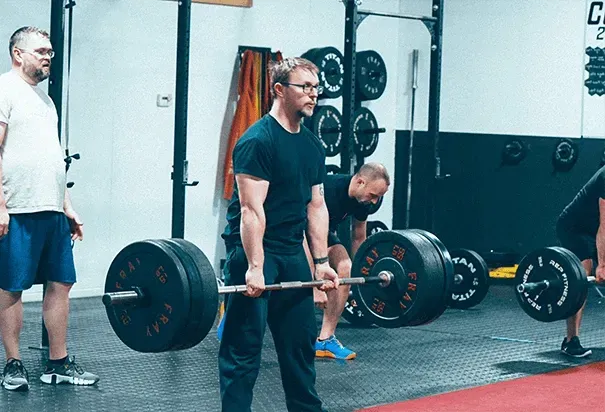
The deadlift is one of the most effective exercises for building total-body strength. It targets your glutes, hamstrings, back, core, and grip while teaching you how to safely pick up heavy objects in everyday life. But because the deadlift involves lifting significant weight from the ground, small mistakes can quickly become bad habits—or even lead to injury. Whether you're new to lifting or chasing a new personal record, avoiding these common mistakes will help you lift stronger, safer, and more efficiently. 1. Rounding Your Back One of the most common deadlift mistakes is allowing your upper or lower back to round during the lift. While some experienced powerlifters may intentionally use slight upper back rounding in competition, most people should focus on maintaining a neutral spine. Fix It: Brace your core before lifting. Pull your shoulders down and back. Keep your chest proud without overextending your lower back. Think: "Keep your ribs stacked over your hips." 2. Starting with the Bar Too Far Away If the bar starts several inches away from your shins, it creates unnecessary stress on your lower back and makes the lift much harder. Fix It: Set the bar directly over the middle of your foot. When you hinge down to grab it, your shins should lightly touch the bar before you begin the lift. Pro Tip: The bar should travel in a nearly straight vertical line throughout the movement. 3. Squatting the Deadlift Many beginners turn the deadlift into a squat by dropping their hips too low. This places the knees in the way of the bar and shifts emphasis away from the posterior chain. Fix It: Hinge at your hips first. Let your hips stay higher than a squat. Feel tension in your hamstrings before you lift. Think of pushing your hips back instead of sitting straight down. 4. Jerking the Bar Off the Floor Trying to yank the weight off the ground often causes poor positioning and loss of tension. Fix It: Instead of pulling quickly: Take a deep breath. Brace your core. Pull the slack out of the bar. Build tension before the plates leave the floor. A smooth start almost always leads to a stronger finish. 5. Not Engaging Your Lats Your lats play a huge role in keeping the bar close to your body. If they're not engaged, the bar drifts forward, increasing stress on your back. Fix It: Imagine squeezing oranges in your armpits or trying to bend the bar toward your shins. You should feel your upper back tighten before every rep. 6. Hyperextending at the Top Finishing the lift doesn't mean leaning backward. Many lifters overextend their lower back in an attempt to "lock out" the weight. Fix It: Stand tall by squeezing your glutes—not by leaning backward. Your finish position should be: Tall posture Glutes engaged Core braced Shoulders stacked over hips 7. Looking Too Far Up or Down Where your head goes, your spine often follows. Looking straight up can strain your neck, while staring at your feet can encourage spinal rounding. Fix It: Keep your neck neutral by focusing your eyes about 10–15 feet in front of you on the floor. 8. Wearing the Wrong Shoes Running shoes may feel comfortable, but their thick, cushioned soles reduce stability and force production. Fix It: Choose: Flat training shoes Weightlifting slippers Deadlift shoes Or simply lift barefoot if your gym allows it. A stable foundation helps you produce more force safely. 9. Skipping Your Brace Your core acts like a natural weight belt. Without proper bracing, your spine loses stability under heavy loads. Fix It: Before every rep: Take a deep breath into your belly. Expand your abdomen in all directions. Tighten your core like you're preparing for a punch. Maintain that pressure throughout the lift. 10. Lifting More Than You Can Control Perhaps the biggest mistake is letting your ego choose the weight. Poor technique under heavy loads limits progress and increases injury risk. Fix It: Master perfect technique before adding weight. Ask yourself: Does every rep look the same? Can I maintain good positioning? Am I in control from start to finish? If not, reduce the load and build from there. Bonus Tip: Don't Forget to Reset Between Reps Touch-and-go repetitions can be useful in some training programs, but many lifters benefit from resetting before each rep. Taking a second to: Re-brace Re-engage your lats Reset your foot position Build tension can dramatically improve consistency and safety. Final Thoughts The deadlift isn't about moving the most weight possible—it's about moving weight well. Good technique not only helps you become stronger, but it also protects your body so you can continue making progress for years to come. At RISE Training Club , our coaches teach proper deadlift mechanics for every fitness level. Whether you're learning the movement for the first time or working toward a new personal best, we focus on building confidence, strength, and safe movement patterns that carry over into everyday life. Remember: Perfect practice leads to powerful results. Focus on quality first, and the strength will follow.
Walking into your first group fitness class can feel intimidating. You might be wondering: Am I fit enough? Will I know what I'm doing? What if I can't keep up? Is everyone going to be watching me? If you've ever had these thoughts, you're not alone. Almost every member at RISE Training Club started exactly where you are now. The good news? You don't have to be "in shape" before you join. That's why we're here. Everyone Starts Somewhere At RISE Training Club, we believe fitness is for everyone—not just experienced athletes. Whether you're: Brand new to working out Returning after taking time off Looking for a more supportive environment Ready to challenge yourself in a new way Our coaches are here to help you succeed from day one. Your only job is to show up. We'll take care of the rest. What to Expect During Your First Class A Warm Welcome From the moment you walk through our doors, you'll be greeted by our coaches and members. We know starting somewhere new can feel overwhelming, so we make it a priority to help you feel comfortable. If it's your first visit, arrive about 10–15 minutes early so we can: Show you around the gym Introduce you to your coach Answer any questions Explain the workout Help you get set up Coach-Led Instruction Every class is led by an experienced coach who will explain each movement before the workout begins. Not sure how to perform an exercise? Just ask. Our coaches are there to teach—not just count reps. We'll make sure you understand proper technique so you can move safely and confidently. Workouts That Meet You Where You Are One of the biggest misconceptions about group fitness is that everyone has to do the exact same workout. That's simply not true. At RISE, every workout can be scaled to your current fitness level. That means we can modify: Weights Repetitions Movements Intensity Whether you're lifting your first dumbbell or training for your next competition, you'll get an effective workout designed for you. What Should You Bring? Keep it simple. We recommend bringing: Athletic shoes A water bottle A positive attitude We'll handle everything else. Don't Worry About Keeping Up One of the biggest fears beginners have is falling behind. Here's the truth: Fitness isn't about racing the person next to you. It's about becoming a little stronger than you were yesterday. Our members all work at different speeds and ability levels, and that's exactly how it should be. You'll never be expected to perform beyond what you're ready for. Your progress is your own. You'll Be Part of a Community The workouts are great. The community is what keeps people coming back. One of the biggest advantages of group fitness is having people around you who encourage you, celebrate your wins, and support you through the tough days. At RISE Training Club, you'll quickly discover that everyone remembers what it was like to be the new person—and they're excited to help you succeed. Progress Happens One Class at a Time Don't expect perfection after one workout. Instead, focus on consistency. Your first class becomes your second. Your second becomes your tenth. Before you know it, you'll be lifting more weight, moving with greater confidence, and accomplishing things you never thought possible. Every experienced member at RISE started with just one class. Ready to Get Started? The hardest part is walking through the door for the first time. After that, you won't be doing it alone. If you've been waiting for the "perfect time" to start your fitness journey, this is your sign. Come meet our coaches, experience the energy of our community, and discover what makes RISE Training Club different. We'll meet you where you are—and help you become stronger than you ever imagined.